
HMO electrical compliance in Crewe. Everything the licensing officer asks for.
HMO licensing pulls together three separate things: the EICR, the fire alarm system, and emergency lighting. Miss one and the licence stalls.
- NICEIC Approved Contractor
- NICEIC Domestic Installer
- NICEIC Rental Sector Scheme
- Part P Registered
HMO Electrical Work, in plain terms.
What it is
The full electrical compliance package for a house in multiple occupation, from the fixed wiring test through to alarm and emergency lighting certification.
Who it is for
HMO landlords and managing agents in Cheshire East, particularly around Crewe where student and worker lets are common.
When you need it
At licence application, at renewal, and every five years for the EICR regardless.
Why it matters who does it
Licensing officers ask for specific certificates in specific formats. Getting three separate trades to produce them piecemeal is where applications get delayed.
Start to finish.
Fixed price or day rate, whichever suits the job, agreed with you up front.
- Review the licence conditions for your specific council.
- EICR across the whole property including communal areas.
- Fire alarm system inspected or upgraded to the required grade.
- Emergency lighting tested, all certificates issued together.
What HMO electrical looks like in Crewe.
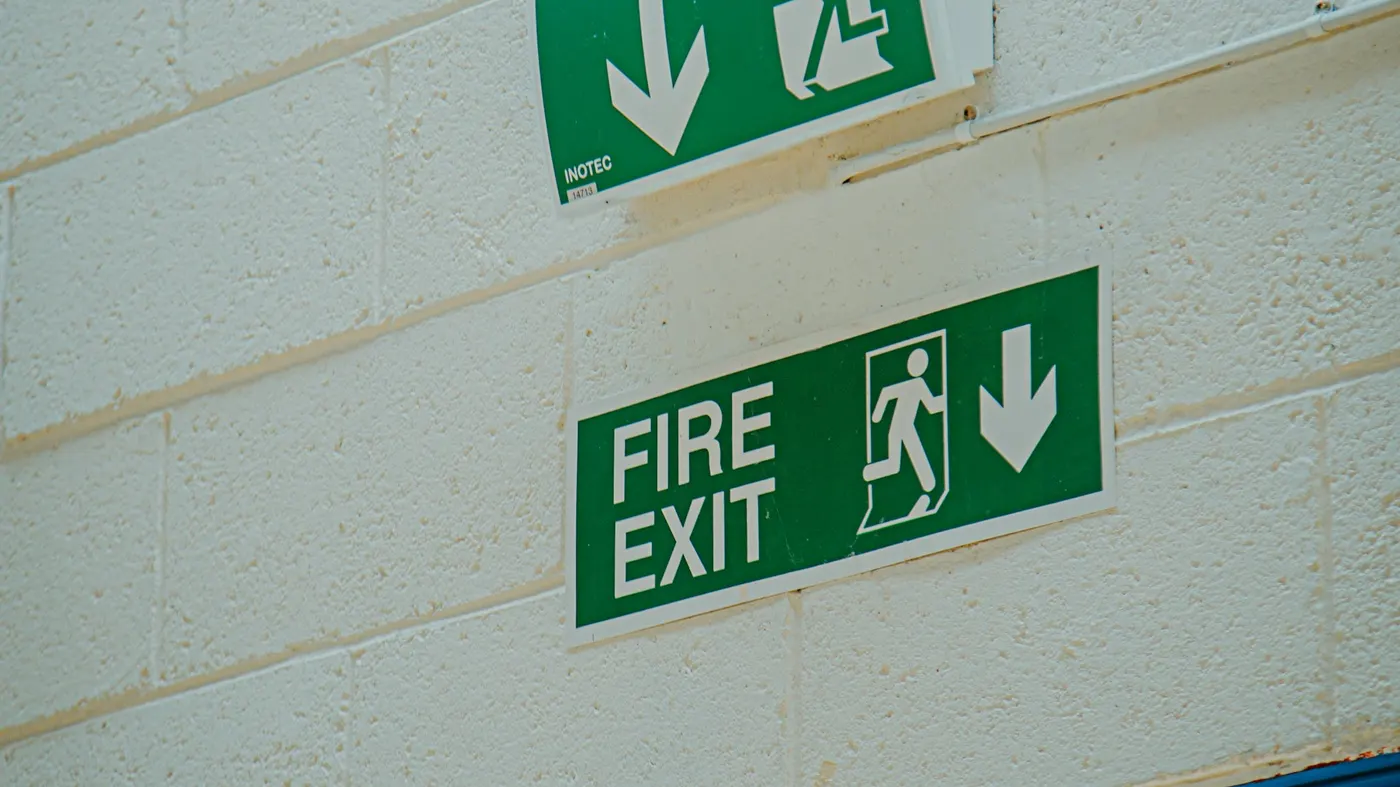
Crewe has a substantial shared-house market serving the rail industry and the college, and HMO licensing pulls three separate electrical requirements together: the five year EICR, the fire detection system at the grade the council specifies, and emergency lighting on the escape route with a proper log book. Applications stall most often because those three arrive from three different contractors in three different formats. We issue them together.
Local housing: Victorian and Edwardian railway terraces through the centre and west, large post-war council-built estates, and newer developments out towards Leighton and Wistaston.
The terraced stock around the railway works is where we find the most rewiring work: rubber-insulated cable, no earth at the lighting points, and boards that were already old in the eighties.
The specifics, for anyone who wants them.
Alarm grades and categories
Most shared houses need a grade D category LD2 system: mains powered interlinked detectors with battery backup, covering escape routes and higher risk rooms. Larger or higher risk HMOs move to grade A with a control panel. The council specifies which, and we work to that rather than to a default.
Emergency lighting in communal areas
Escape routes in licensable HMOs generally need emergency lighting with a monthly function test and an annual three hour duration test, both logged. We set the log book up as well as doing the test.
Cheshire East specifics
Licence conditions vary between authorities. We check the conditions attached to your specific licence before quoting, rather than applying a generic package.
Straight answers.
Does every HMO need a licence?
Mandatory licensing applies to five or more occupants forming more than one household. Some areas add additional licensing. Check with Cheshire East.
How often is the EICR?
Every five years, same as any rented property, plus the annual alarm and emergency lighting checks.
Can you do the fire alarm as well?
Yes. Detection and emergency lighting are both electrical work and we certify both.
Often booked alongside
Fire Alarms & Emergency Lighting
Detection and emergency lighting are the two systems that get inspected hardest and maintained least. Both need a log bo…
EICR / Electrical Safety Inspection
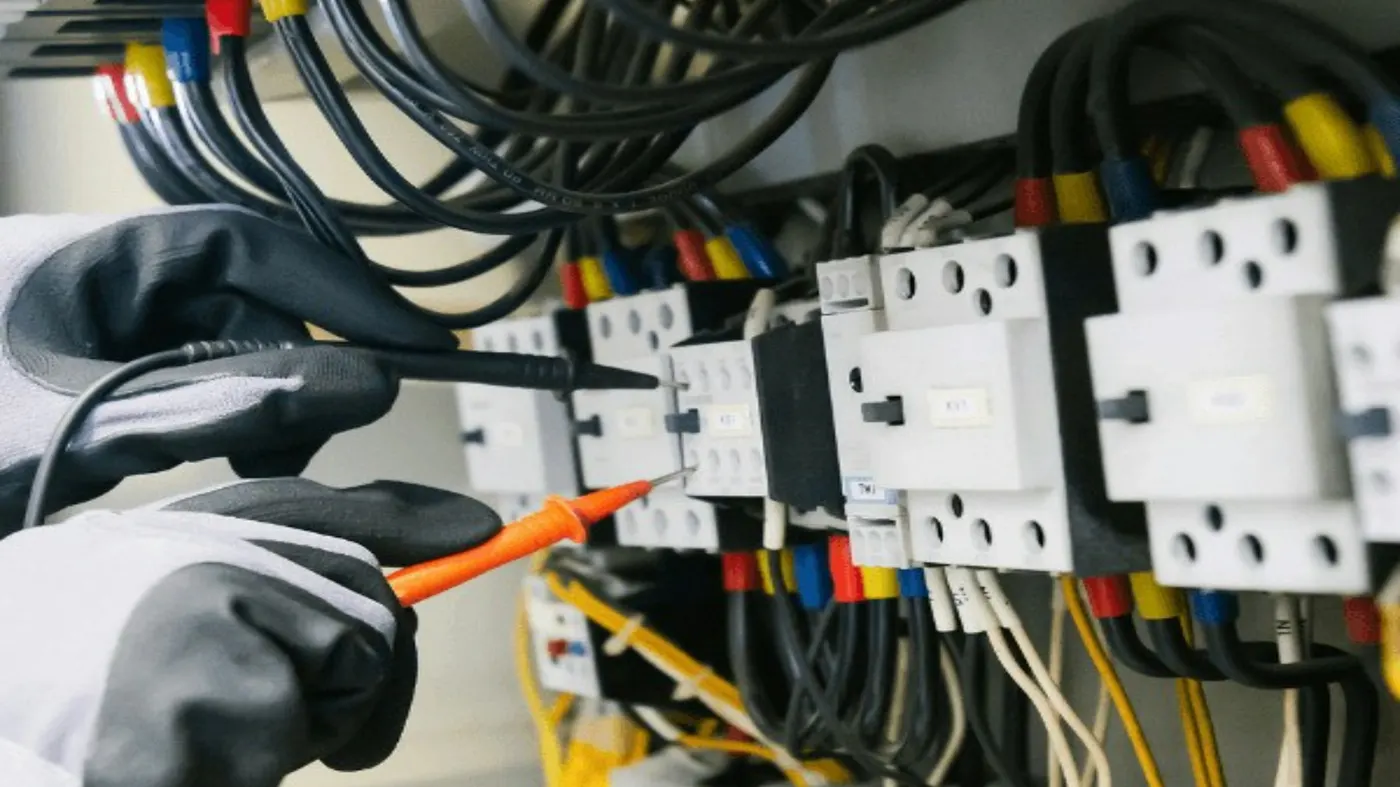
An EICR is the formal health check of a property's fixed wiring. We test every circuit, grade what we find, and give you…

Landlord Electrical Certificates
Letting agents will not market a property without one and local authorities can fine you up to £30,000 for going without…
Covering
HMO electrical in Crewe, priced properly.
Free written quote within 24 hours. Fully insured to £10 million. Every job backed by a workmanship guarantee.
Can't get through? Ring anyway. Calls answered in your own voice, then a text asking for the job and postcode.