
Fire alarms and emergency lighting in Crewe. Designed to the standard, logged properly.
Detection and emergency lighting are the two systems that get inspected hardest and maintained least. Both need a log book as well as an installation.
- NICEIC Approved Contractor
- NICEIC Domestic Installer
- NICEIC Rental Sector Scheme
- Part P Registered
Fire Alarms & Emergency Lighting, in plain terms.
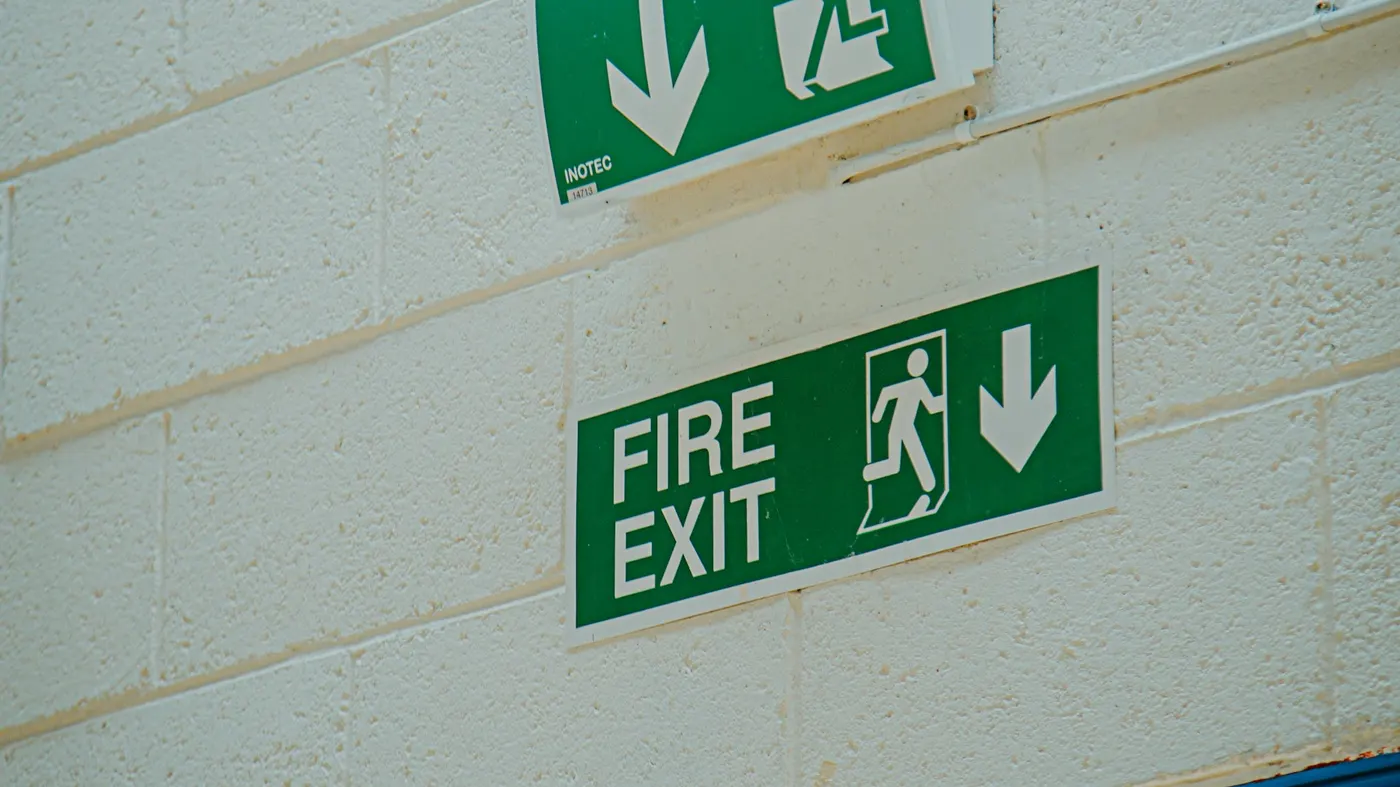
What it is
Design, installation, commissioning and periodic testing of fire detection systems and emergency escape lighting.
Who it is for
HMO landlords, offices, retail units, care settings, and any premises with a responsible person under the Fire Safety Order.
When you need it
At fitout, at licence application, and on the routine test intervals thereafter.
Why it matters who does it
These systems are certificated to BS 5839 and BS 5266. A system installed without a design certificate is hard to defend to an inspector.
Start to finish.
Fixed price or day rate, whichever suits the job, agreed with you up front.
- Design to the required grade and category, in writing.
- Install and commission.
- Issue design, installation and commissioning certificates.
- Set up the log book and put the test intervals in the diary.
The specifics, for anyone who wants them.
Grades and categories, briefly
Grade A is a full system with a control panel. Grade D is mains powered interlinked detectors with battery backup. Category L protects life, with LD1 covering all circulation and rooms, LD2 covering escape routes plus higher risk rooms, and LD3 covering escape routes only. Category P protects property.
The three certificates
BS 5839 expects separate design, installation and commissioning certificates. A single sheet saying installed and working is not the same thing, and it will be questioned.
Testing intervals
Fire alarm: weekly call point test by the responsible person, six monthly service. Emergency lighting: monthly function test, annual three hour duration test. All recorded in the log book, which is the first thing an inspector asks to see.
Straight answers.
Can I test it myself?
The weekly call point test and the monthly emergency lighting flick test, yes. The six monthly and annual tests need to be done and certified properly.
My detectors are ten years old. Do they need changing?
Most detector heads have a stated service life of around ten years. After that they should be replaced, not just cleaned.
Do you cover commercial as well as HMO?
Yes. Offices, retail and light industrial.
Often booked alongside
HMO Electrical Work
HMO licensing pulls together three separate things: the EICR, the fire alarm system, and emergency lighting. Miss one an…
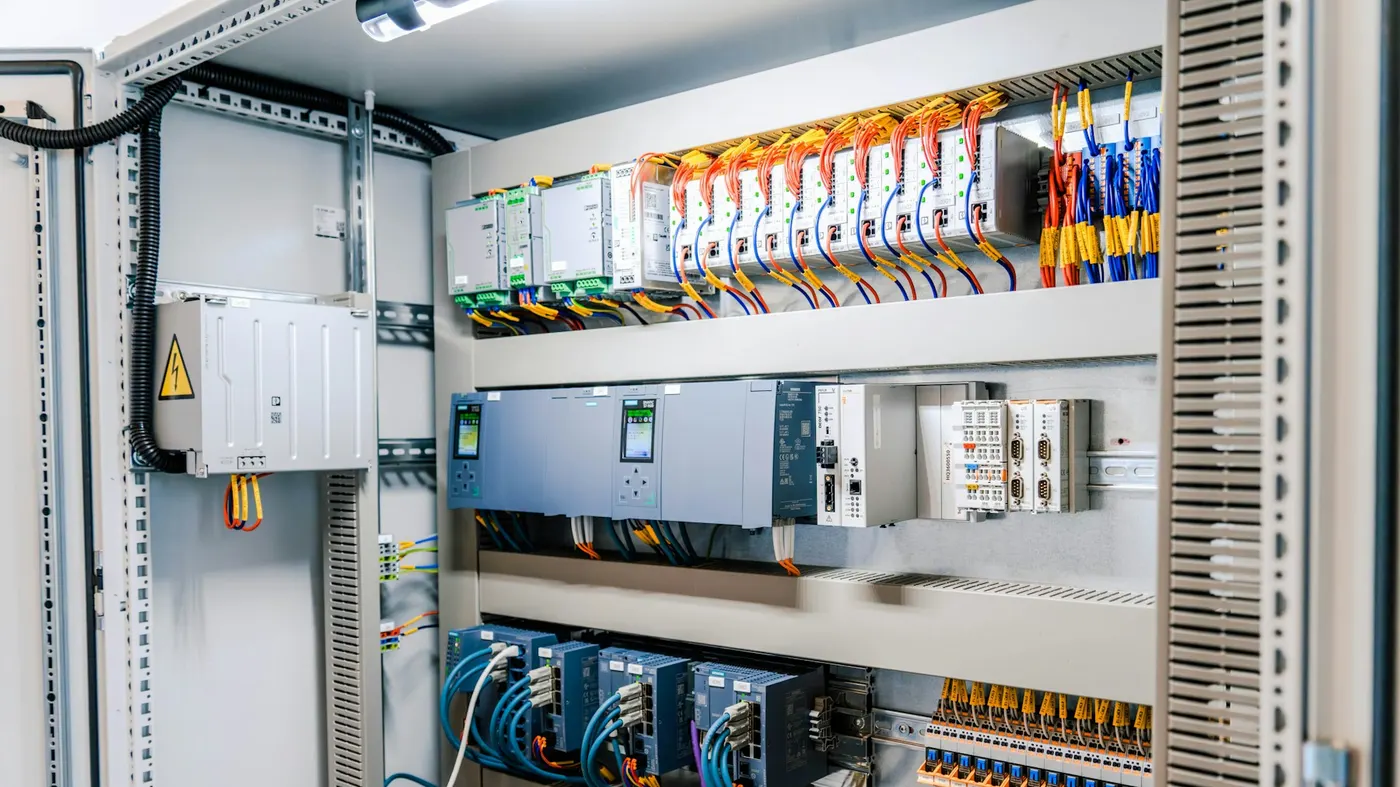
Industrial Inspection & Testing
A commercial EICR does not have to mean shutting the unit. We test in phases around your schedule and report on the whol…
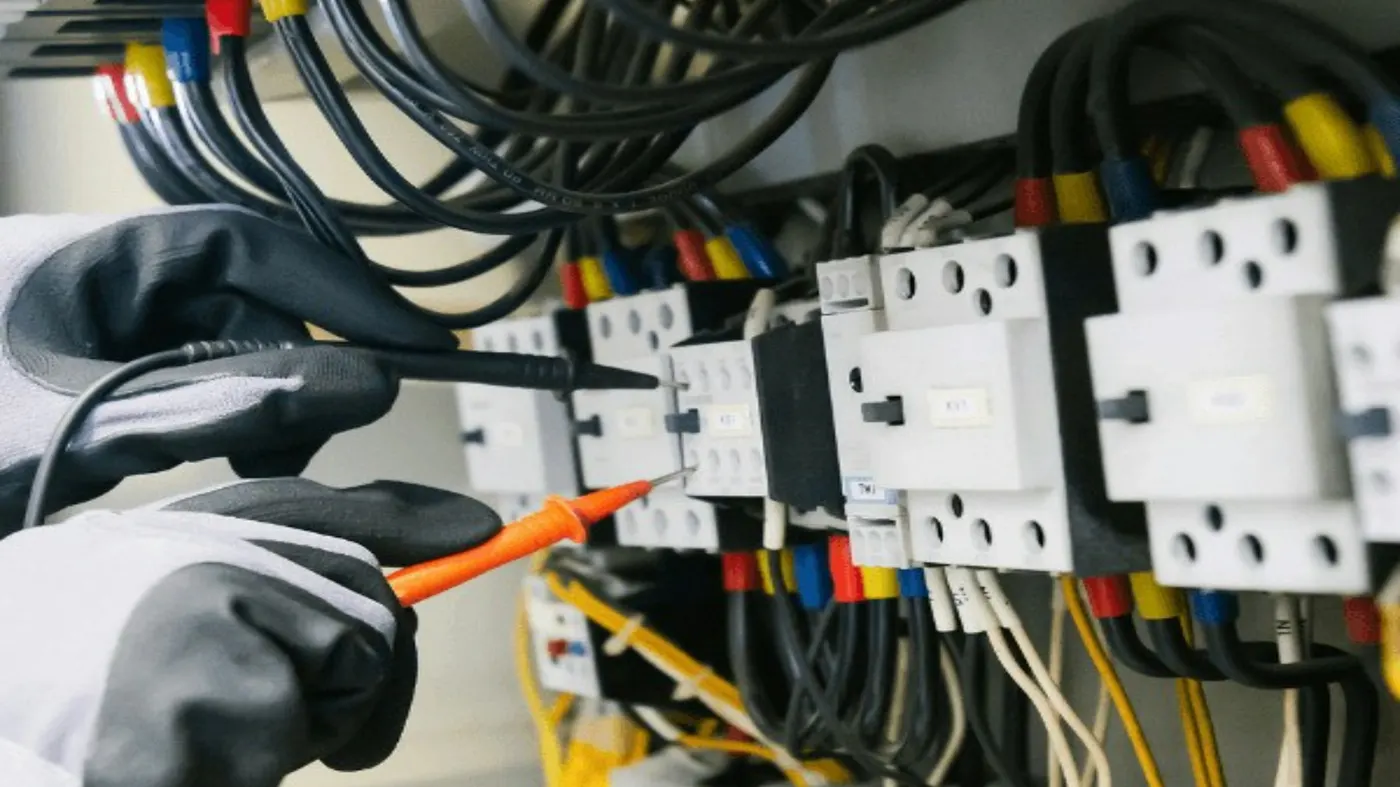
EICR / Electrical Safety Inspection
An EICR is the formal health check of a property's fixed wiring. We test every circuit, grade what we find, and give you…
Covering
Fire & emergency lighting in Crewe, priced properly.
Free written quote within 24 hours. Fully insured to £10 million. Every job backed by a workmanship guarantee.
Can't get through? Ring anyway. Calls answered in your own voice, then a text asking for the job and postcode.